
Foundation Waterproofing
Waterproofing vs. Dampproofing: Which Should You Choose?
March 21, 2026 · 4 min read
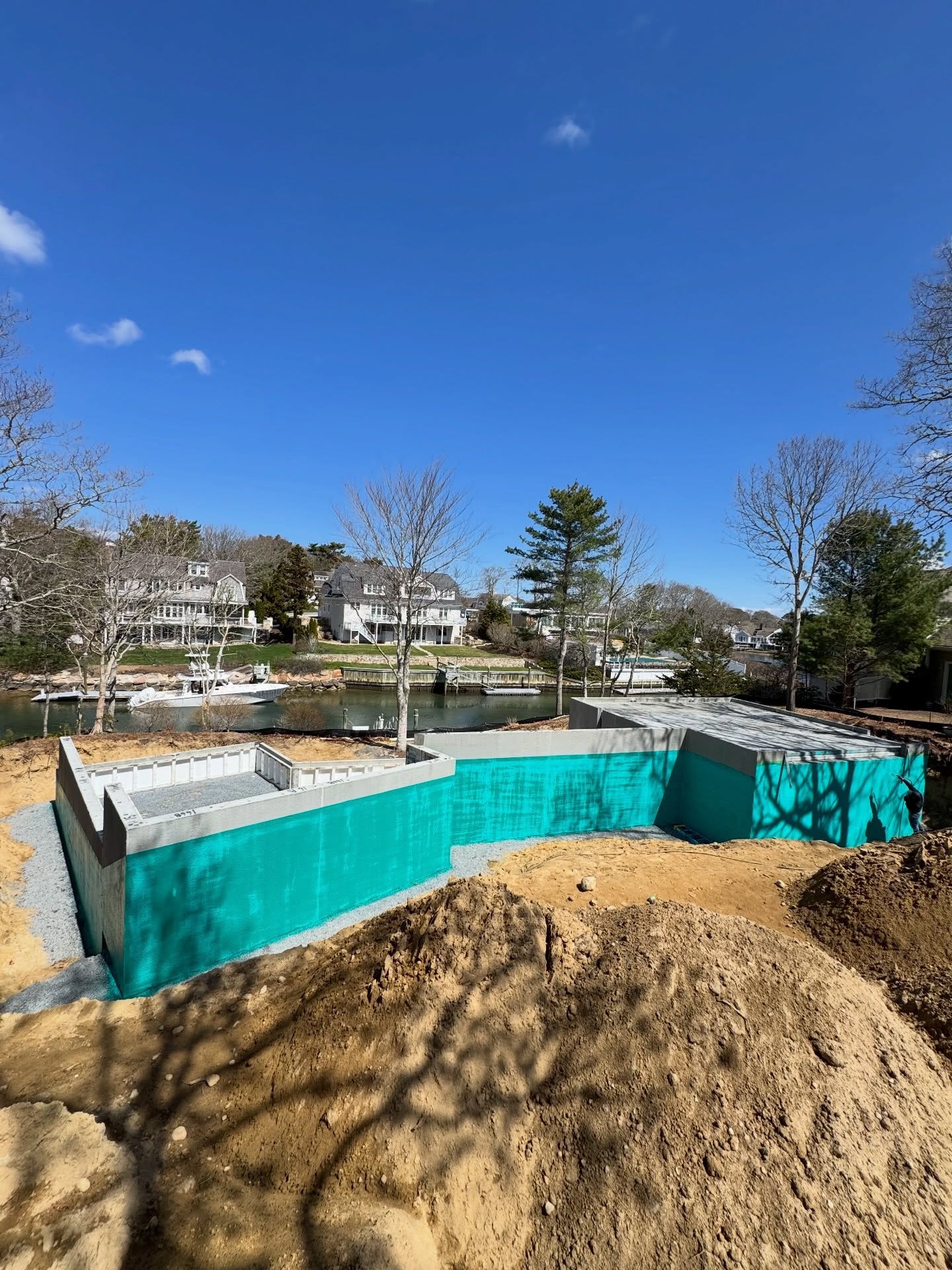
When building a new home, one of the most important and often overlooked decisions is how the foundation will be protected from moisture and water. Two terms commonly used in new construction are dampproofing and waterproofing, and while they are often confused, they offer very different levels of protection.
What is dampproofing?
Dampproofing is the minimum standard moisture protection typically applied to foundation walls during new construction. It usually consists of a thin, asphalt-based coating sprayed or rolled onto the exterior of the foundation.
- Intended to slow moisture vapor, not liquid water
- Often required by code as a baseline treatment
- Applied quickly and inexpensively during construction
- Provides little resistance to groundwater or hydrostatic pressure
What is waterproofing?
Waterproofing protects the foundation from both moisture and hydrostatic water pressure. In new construction, waterproofing is installed while the foundation is fully accessible, making it the most effective and reliable time to do it.
- Fully adhered or fluid-applied waterproof membranes
- Drainage or insulation boards
- Footing drains (drain tile)
- Proper surface water management
Which should you choose for a new home?
Dampproofing may be sufficient for well-drained soils, low water table areas, and crawl spaces. Waterproofing is strongly recommended for homes with finished basements, poor or clay-heavy soils, high water tables, and homes built on slopes or near wetlands.
Once a home is built and backfilled, upgrading from dampproofing to full waterproofing becomes far more expensive and disruptive. There is nothing more expensive than doing it twice.
Questions about your property?
Call (781) 621-9411Let's Get You Scheduled
Only takes 1 minute. Jeff or Dave will contact you!
What is your ZIP code?
We service Massachusetts and beyond!